Fighting for fairness in financial mis-selling.
At HD Law, we help people challenge unfair financial practices and recover money that may be rightfully theirs. Our work is built around one simple belief: consumers deserve clear information, fair treatment and proper redress when financial products have been sold without transparency.

HD Law is a specialist consumer law firm with a strong focus on car finance and financial mis-selling claims. Led by Kevin Durkin, the firm has become closely associated with the UK motor finance commission litigation, including the Johnson v FirstRand case that reached the UK Supreme Court.
We combine legal knowledge with a practical, client-first claims process. From checking whether you may have a claim to explaining your options clearly, our aim is to make a complex area of law feel understandable, manageable and transparent.
Why clients choose us.
Specialist experience
We focus on consumer claims involving financial mis-selling, including car finance commission claims, PCP and HP agreements, and unfair relationship arguments under the Consumer Credit Act.
Proven legal track record
Kevin Durkin represented Marcus Johnson in the Supreme Court proceedings involving FirstRand Bank. The Supreme Court did not accept every route argued in the linked motor finance appeals, but it did find that Mr Johnson’s relationship with FirstRand was unfair under section 140A of the Consumer Credit Act, with the commission to be repaid with interest.
Regulated & accountable
HD Law Limited is regulated by the Solicitors Regulation Authority, and the SRA register lists the firm's licensed activities including rights of audience and conduct of litigation.
Straightforward support
We explain the options available, including the FCA redress scheme, lender complaints, Financial Ombudsman routes and potential court action, so clients can make informed decisions.
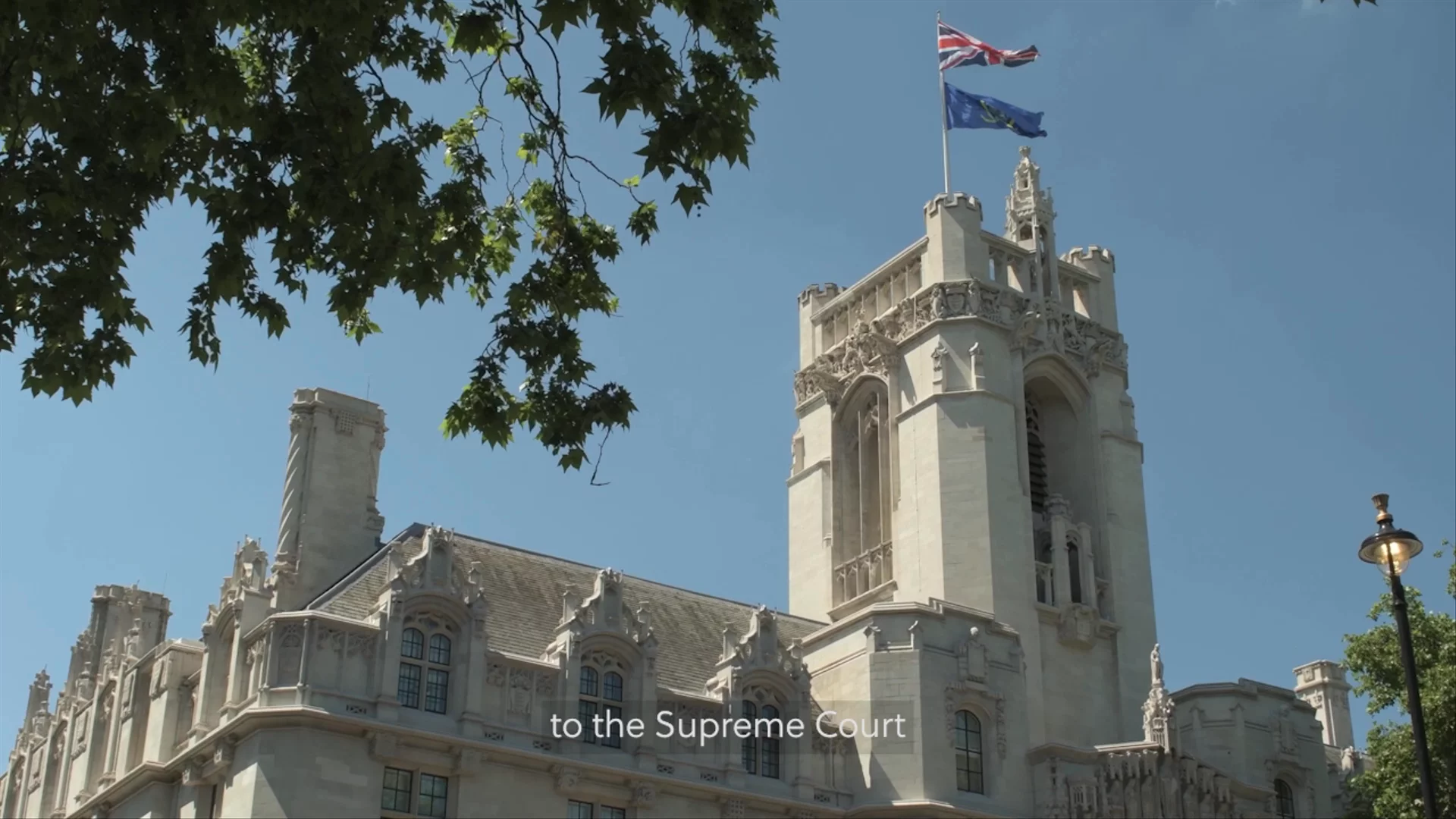
Featured case:Johnson v FirstRand Bank.
Marcus Johnson bought a car using finance supplied by FirstRand Bank, trading as MotoNovo Finance. The case concerned commission paid by a lender to a motor dealer in connection with a hire purchase car finance agreement. The linked Supreme Court appeals looked at whether commission arrangements gave rise to claims in bribery, equity and under the Consumer Credit Act.
The Supreme Court ultimately ruled that the customers' tort and equity claims against the lenders could not succeed. However, Mr Johnson succeeded under section 140A of the Consumer Credit Act because the court found the relationship between him and FirstRand was unfair on the facts of his case.
The Court highlighted several important factors in Mr Johnson's case, including the size of the commission, the lack of clear disclosure about the commercial tie between the lender and dealer, and how the documents were presented. The Court held that the commission should be paid to Mr Johnson with appropriate interest.

2024 — Court of Appeal
The Court of Appeal found in favour of the customers in the linked motor finance commission appeals, including Mr Johnson.
April 2025 — Supreme Court hearing
The Supreme Court heard the linked appeals involving Johnson, Wrench and Hopcraft between 1 April and 3 April 2025.
August 2025 — Supreme Court judgment
The Supreme Court delivered judgment in Johnson, Wrench and Hopcraft, allowing the lenders' appeals on tort and equity issues but upholding Mr Johnson's Consumer Credit Act claim.
Why this case matters.
The judgment matters because it confirms that some car finance customers may still have a route to compensation where the facts show an unfair relationship. It also makes clear that hidden or partly disclosed commission will not automatically mean every agreement was unfair; each case must be assessed on its own facts.
Check now